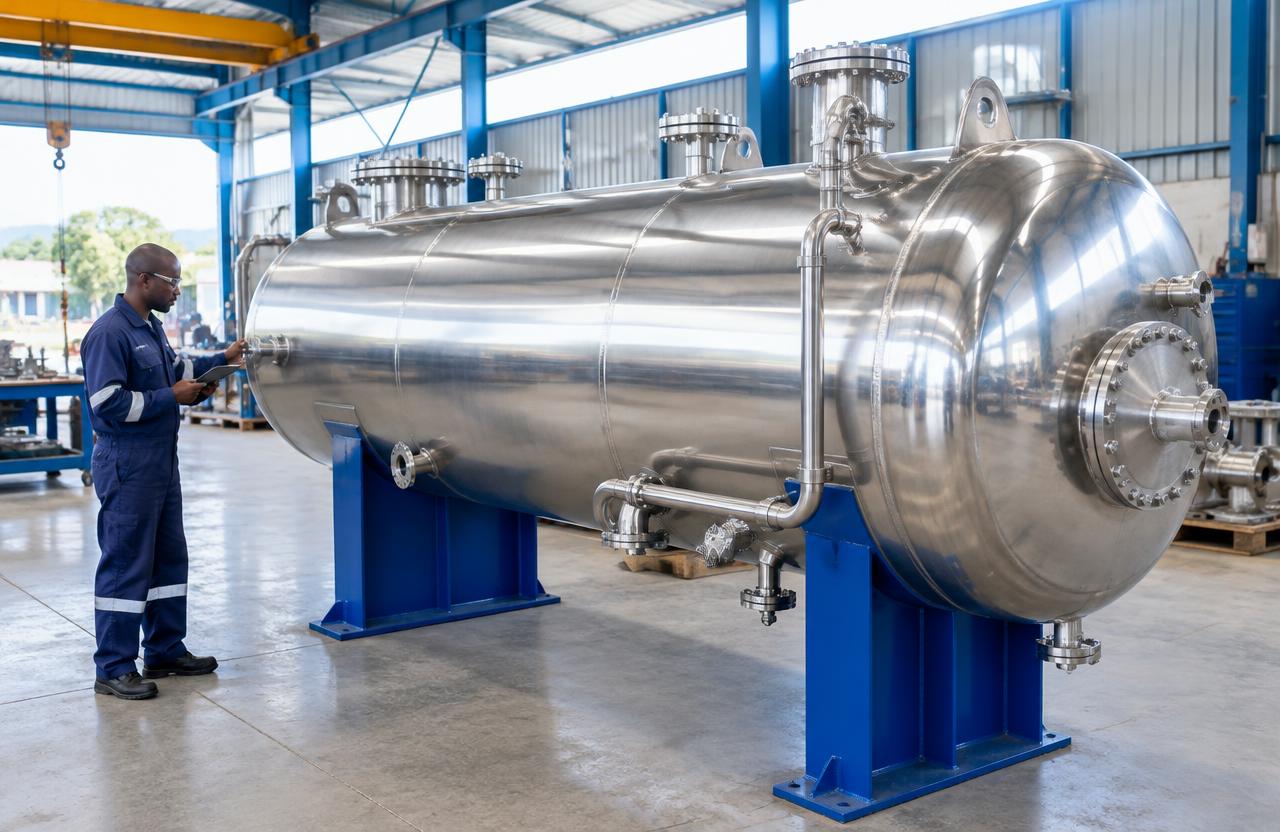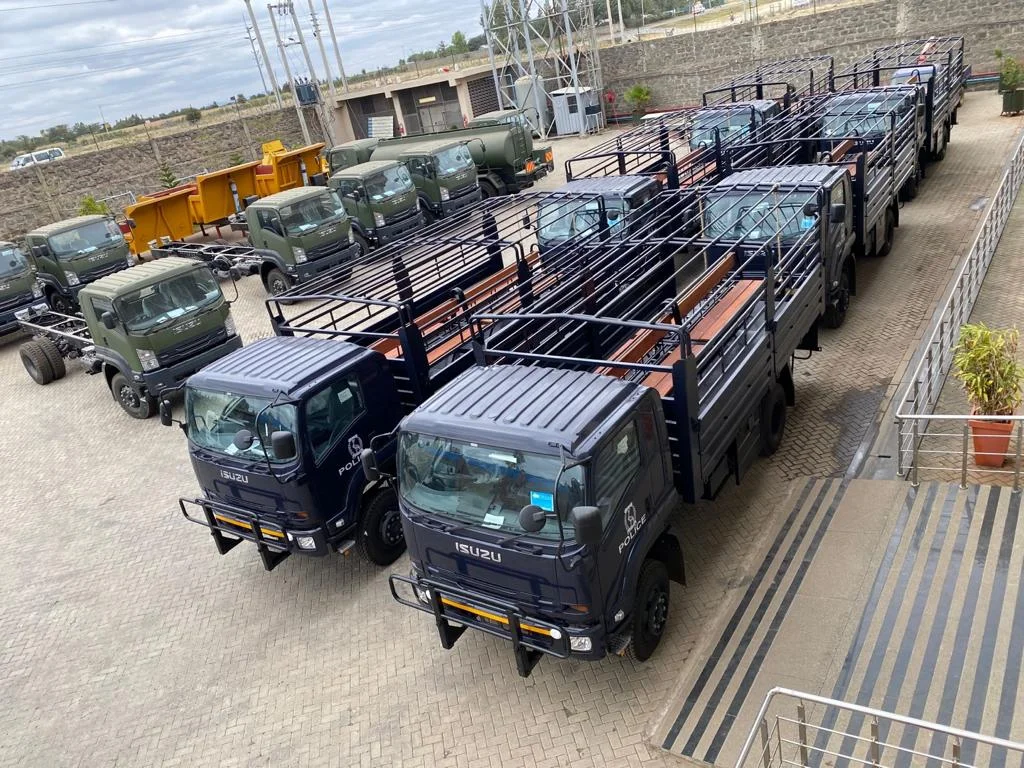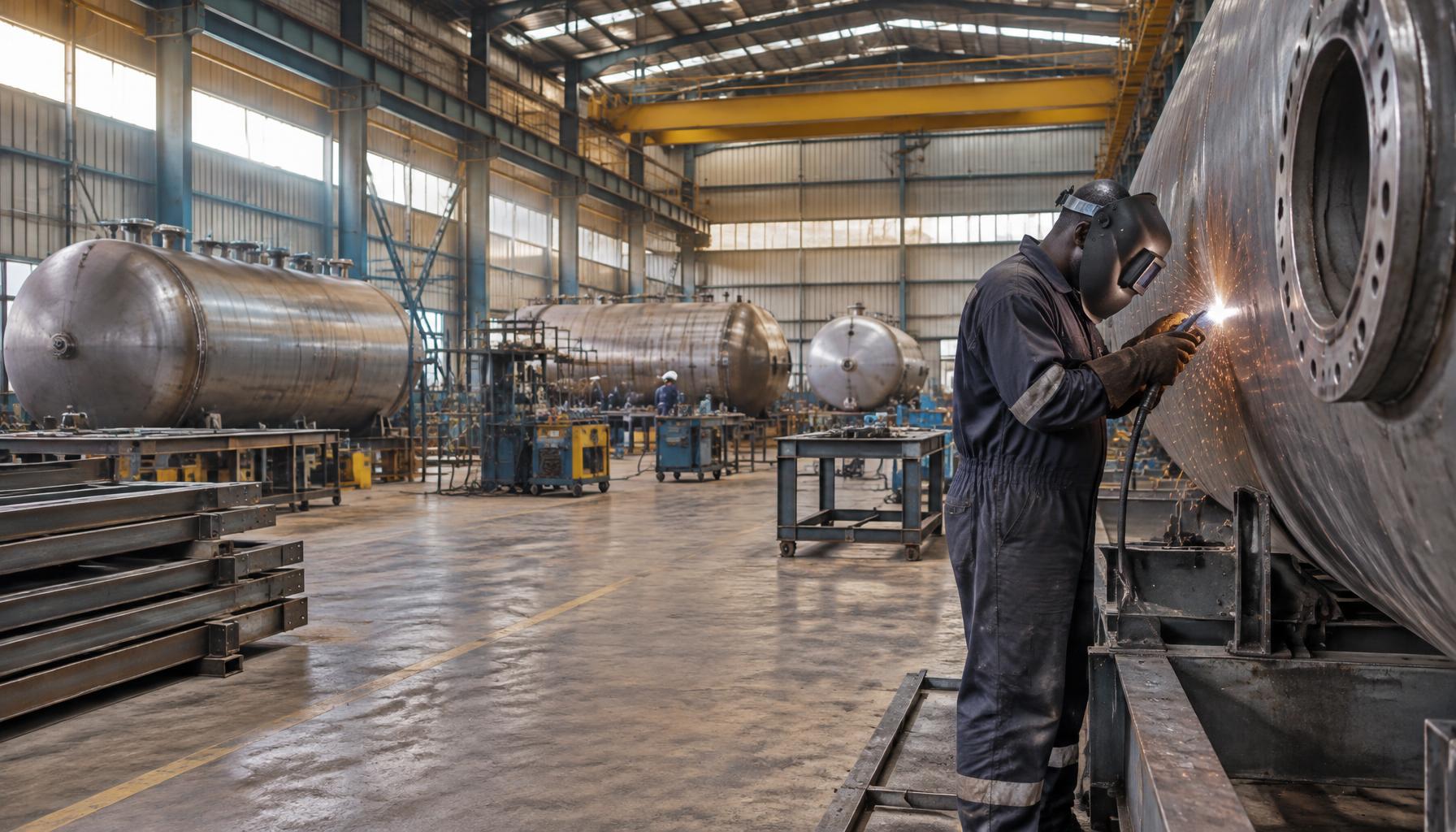
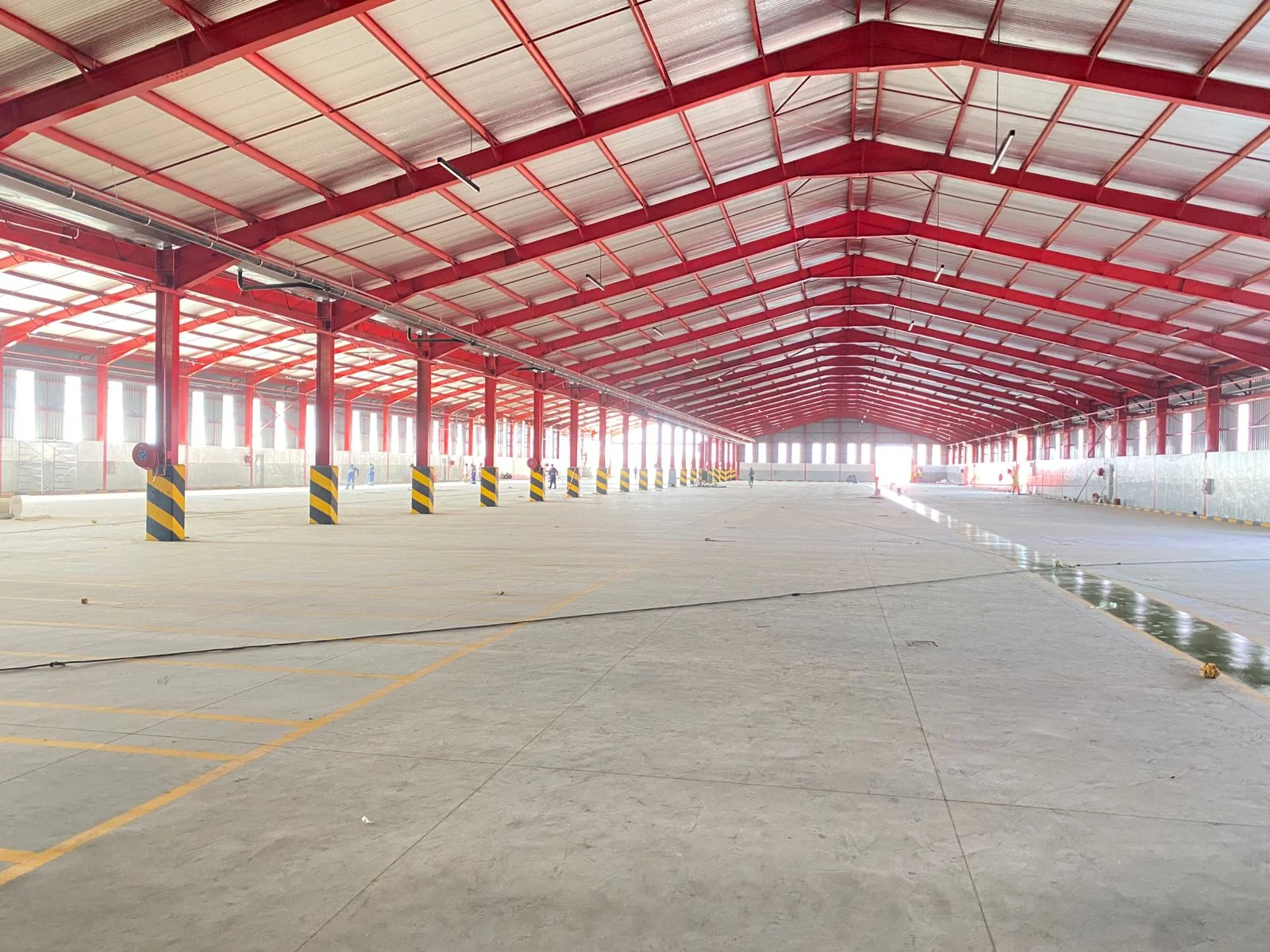
How thoughtful detailing and controlled fabrication support safer, more efficient industrial structures.
Engineering begins with the application
Reliable structural steel assemblies start with a clear understanding of how the finished product will be used. Operating conditions, loading, material compatibility and installation constraints influence decisions long before fabrication begins.
A sound project brief brings these requirements together with approved drawings, inspection expectations and documentation. That shared reference helps engineering, fabrication and quality teams work toward the same outcome.
From design to controlled fabrication
A disciplined fabrication workflow protects both the design intent and the consistency of the finished assembly:
- Material verification: confirm grades and traceability against the project specification.
- Process planning: establish the fabrication sequence, suitable equipment and inspection stages.
- Dimensional control: monitor alignment, fit-up and critical dimensions during manufacture.
- Documented inspection: record the agreed checks and resolve deviations before release.
Key technical considerations
| Area | Project consideration |
|---|---|
| Design basis | Approved structural calculations |
| Fabrication | Traceable steel and controlled welding |
| Assembly | Verified alignment and connections |
| Protection | Environment-specific coating system |
Quality is built into the process
Inspection should not be left until the end. Defined hold points make it possible to review work before subsequent steps conceal welds, connections or surfaces. The inspection plan should specify who checks each stage and what evidence is retained.
Quality management principles support consistent documentation and continual improvement. They do not replace product-specific design codes, engineering calculations or the acceptance requirements of a particular contract.
Fabrication Quality
Planning Guide
Inspection checklists, quality considerations and a project specification worksheet.
Illustrative guide · PDF · Not an official ISO standard
Planning your next project
Bring the project scope, drawings, quantities and required standards to the initial technical conversation. Include the intended operating environment and any installation or transport limitations. Clear requirements make a technically grounded quotation possible.